
Course Search
Latest Courses
ECO-IN offers various educational programs for young people, the elderly, and disadvantaged groups within the framework of Erasmus+ projects. We aim to enhance individuals' skills through courses in academic careers, adult education, career planning, arts and culture, school education, and vocational education. Participants will have the opportunity to contribute to their personal development while becoming more actively involved in society.
Recognizing the critical role of education, ECO-IN is dedicated to supporting school-aged youth who face academic challenges. Through personalized tutoring, homework assistance, and supplementary academic services, the association is committed to fostering an environment where every student has the opportunity to succeed.
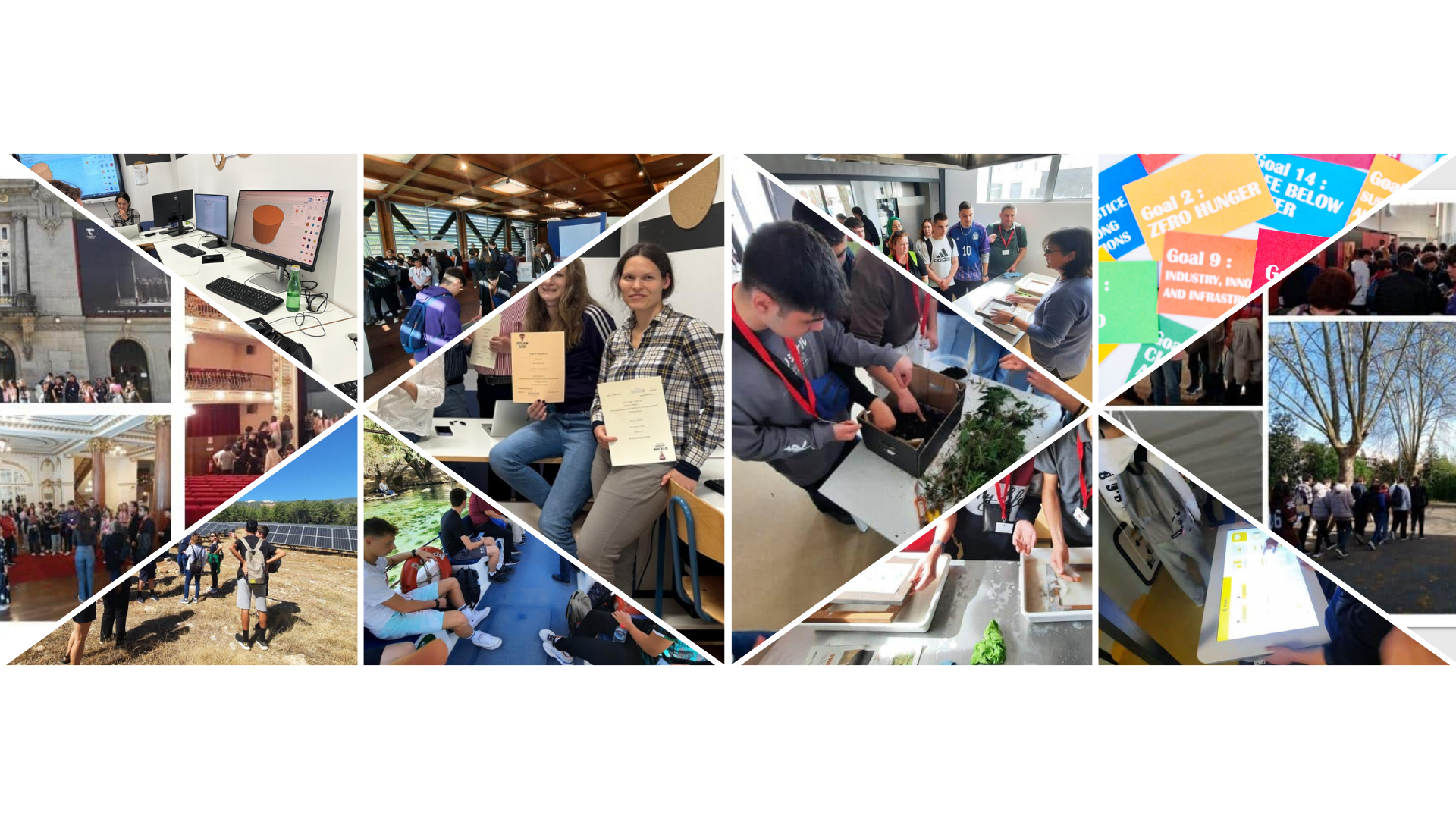
SDGs and Global Citizenship Education in Schools and NGOs
This course is dedicated to integrating the UN Sustainable Development Goals (SDGs) into formal and non-formal education. It supports educators to design learning experiences that foster global citizenship, sustainability, social justice and active participation. Participants explore how SDGs can be used as a framework for curriculum design, project-based learning and community engagement. Through hands-on workshops, participants create SDG-focused projects and teaching units that connect local realities with global challenges, empowering learners to become changemakers in their schools and communities.
Academic

Digital Literacy, Media Literacy and Safe Internet Use
Course Description This course focuses on digital literacy and media literacy as key competences for learners of all ages. It supports educators in guiding students to use digital technologies safely, critically and creatively. Participants explore topics such as online safety, misinformation, digital footprints, cyberbullying, ethical use of AI and social media, as well as practical classroom strategies and activities. The training helps schools and NGOs design comprehensive approaches to digital citizenship, empowering young people and adults to become confident, responsible and reflective users of digital tools.
Academic

Climate Change, Ecology and Green School Education
This training course supports educators and NGO staff in understanding climate change, ecology and sustainable development in a practical, school-focused way. Instead of treating climate change as an abstract science topic, the course helps participants turn their schools and organisations into living laboratories for sustainability. Participants explore the causes and consequences of climate change, links with biodiversity loss and ecosystem degradation, and the role of education in building resilient, climate-conscious communities. They work with adaptation and mitigation strategies, SDGs, green skills and whole-school approaches. Through hands-on activities, local case studies and collaborative project design, participants leave the course with ready-to-implement lesson ideas, eco-projects and a Green School action plan tailored to their own context.
Academic

Digital Games and Storytelling for Engaging Learning
Course Description This course explores digital game-based learning and digital storytelling as powerful tools to increase student motivation, participation and learning outcomes. Participants discover how narrative, choice, challenge and feedback can transform lessons into meaningful learning experiences. The course introduces simple and accessible tools for creating interactive stories, educational mini-games and gamified activities, while also addressing issues such as inclusion, ethics and healthy digital habits. Special attention is given to using games and stories to support disadvantaged learners, language development and 21st-century skills.
Academic
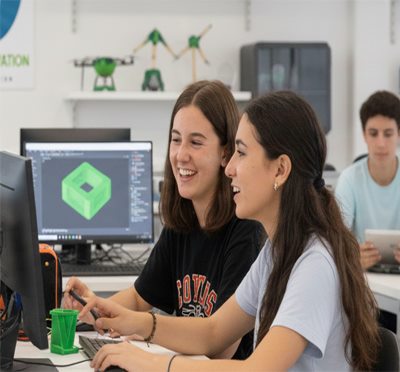
Innovative STEM, UDL and 3D Learning in Education
This course introduces participants to innovative STEM education approaches that combine inquiry-based learning, design thinking, 3D technologies and Universal Design for Learning (UDL). The training focuses on how to design inclusive STEM projects that engage all learners, including those from disadvantaged and rural backgrounds. Participants experience hands-on STEM challenges, learn the basics of 3D modelling and explore how to adapt activities to different ages and abilities using UDL principles. The course aims to empower educators to create motivating, real-life STEM projects that foster problem-solving, creativity and collaboration, while integrating digital and green perspectives.
Academic
ECO-IN organizes workshops designed to help adults acquire new knowledge and skills, empowering them to foster personal growth and realize their full potential.
ECO-IN provides orientation and career planning support for young people and new immigrants, helping them make informed decisions about their future. From identifying personal interests and skills to crafting resumes and preparing for job interviews, the association is committed to fostering the potential of the next generation.
ECO-IN stands as a strong advocate for art and culture, dedicated to the preservation of local heritage. Through its efforts to protect cultural sites, support local artists and cultural organizations, and raise awareness about cultural heritage, ECO-IN serves as a guardian of the community's rich cultural fabric.
ECO-IN organizes workshops designed to help adults acquire new knowledge and skills, empowering them to foster personal growth and realize their full potential.
ECO-IN organizes workshops designed to help adults acquire new knowledge and skills, empowering them to foster personal growth and realize their full potential.
In an age of rapid digital advancement, ECO-IN acknowledges the critical importance of digital literacy. The association is committed to improving digital skills and promoting the responsible use of digital tools through training programs and workshops, ensuring individuals are well-prepared to navigate the ever-evolving technological landscape.
ECO-IN adopts a comprehensive approach through a diverse array of programs and services aimed at addressing the varied needs of the community. Central to their initiatives is a strong commitment to inclusivity, ensuring that disadvantaged groups, individuals with disabilities, and immigrants have access to these resources.
Raising awareness of democracy and advocating for women's and children's rights are integral aspects of ECO-IN's mission. Through community education—particularly aimed at the younger generation—on democratic principles and citizen rights, and by actively supporting organizations dedicated to gender equality, ECO-IN seeks to promote a more just and equitable society.